btcflomo

Autism Spectrum Disorder

MeRT is designed to address the unique neural connectivity patterns often seen in individuals on the spectrum. By targeting specific brain regions, the goal is to improve different aspects of the disorder. Benefits in Autism can be in one or more areas of function like Speech, Behavior, Social Interaction, Perception, and Motor function. Research suggests that ASD involves hyper-variability in brain networks. A 2023 study published in Frontiers in Systems Neuroscience highlighted that targeted rTMS can improve long-range connectivity, helping to organize the “noise” in the brain and support better functional outcomes.

Medical References

DEPRESSION

TMS is FDA-cleared for treatment-resistant depression, and MeRT, a personalized treatment protocol using TMS, takes it a step further by using an individual’s EEG and EKG data to tailor the location and frequency of stimulation. Depression has been linked to an imbalance between the left and right hemispheres of the brain. By using a personalized protocol, MeRT aims to correct this hemispheric asymmetry, with many patients reporting significant mood elevation where standard medication-only.

Medical References
btcflomo
btcflomo

PTSD

Trauma and head injuries can disrupt the brain’s “rhythm,” often leading to cognitive fog, mood instability, and emotional dysregulation. MeRT works to “reset” these patterns. A double-blind, randomized controlled trial specifically using MeRT protocols for PTSD showed a significant reduction (up to 62%) in PTSD Checklist-Military (PCL-M) scores.

Medical References

ADHD

The most consistent finding in ADHD is an overall reduction of brain size in certain areas, is the prefrontal cortex. The prefrontal cortex is responsible for functions such as focus, emotional regulation, working memory, impulse control and time perception. By targeting the dorsomedial prefrontal cortex, MeRT helps improve the “executive suite” of the brain, responsible for focus and impulse control. A 2025 meta-analysis found that TMS produced statistically significant improvements across all primary ADHD symptom categories after 3 to 6 weeks of intervention particularly improved attention reduction in Hyperactivity/Impulsivity. Given the sdafety anbd tolerability of this modality, The researchers suggested that TMS could serve as a promising adjunctive or alternative treatment for ADHD, particularly for those who do not respond well to or cannot tolerate traditional stimulant medications.

Medical References
btcflomo
btcflomo

Traumatic Brain Injury

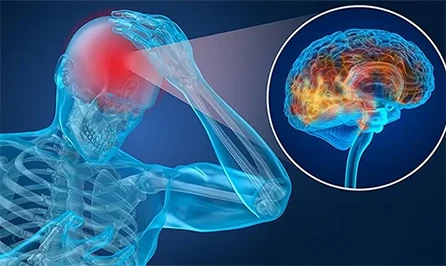
TBI often disrupts the brain’s electrical “wiring.” often significantly impairing one’s ability to function independently, impacting quality of life and relationships. MeRT works to resync these circuits, improving memory, sleep, and physical symptoms such as chronic headaches. A 2025 meta-analysis published in Neuromodulation confirmed that targeted rTMS is associated with statistically significant improvements in cognitive function and substantial reductions in post-concussive pain.

Medical References

Brain Optimization

Even without a clinical diagnosis, individuals use MeRT to enhance cognitive flexibility, decision-making speed, and stress resilience.

Medical References
btcflomo

For more information or to book a Consultation.

    Disclaimer

    The information provided on this website and associated social media accounts is for general educational and information purposes only and is not a substitute for professional medical advice, diagnosis, or treatment. Always seek the advice of your physicians or another qualified healthcare provider regarding any medical condition. Never disregard professional medical advice or delay seeking care because of information obtained from this website. If you are experiencing a medical emergency, call 911 or go to the nearest emergency room immediately. All information on this website is provided “as is.” We do not guarantee the accuracy or completeness of the information and do not control or endorse any external websites linked on this site. Use of this website or contacting our practice through the website or social media does not establish a provider-patient relationship. A provider-patient relationship is formed only after required consent and intake documentation has been completed and signed.

    Contraindications and Precautions

    Absolute Contraindications

    Absolute contraindications for cortical MeRT treatment:

    Pacemaker, Defibrillator, Vagal Nerve Stimulator, VP Shunt/ Magnetic intracranial shunts, Deep Brain Stimulator, Epidural Cortical stimulator, Steel shunts/stents, Cranial metal fragments (i.e. shrapnel, excluding titanium), Cochlear implant, Aneurysm clips, coils, pipelines flow diversion, Pregnant or breastfeeding, Primary brain cancer / metastatic lesions in brain (unless palliative care), Magnetic dental implants, Implanted cardio-verter defibrillators (ICD), Ocular implants.

    Relative Contraindications

    Relative contraindications require closer protocol attention and may or may not disqualify someone from receiving cortical MeRT treatment, depending on the doctor’s discretion and the person’s individual condition. These include: History of Seizure or seizure disorder, Titanium shunts/stents, Spinal Cord Stimulator, Hearing aids, Pregnancy, Ferrous cortical implants, Magnetic ink tattoo, Bipolar Disorder Type I/II, Baha Implant.

    Contact Info

    Phone :  682-390-7388

    Email :  [email protected]

    Address :  Brain Treatment Center at Flower Mound